Ali Soleymaniha
Conflict resolution practitioner, researcher, and the author of the Dynamic Mediation model. Based in Toronto, Ontario.
About Ali
Ali Soleymaniha is a conflict resolution practitioner and researcher whose work sits at the intersection of systems thinking, change management, and mediation theory. His practice has spanned workplace disputes, organizational restructurings, collective bargaining impasses, and complex multi-party mediations across a range of industries and organizational contexts.
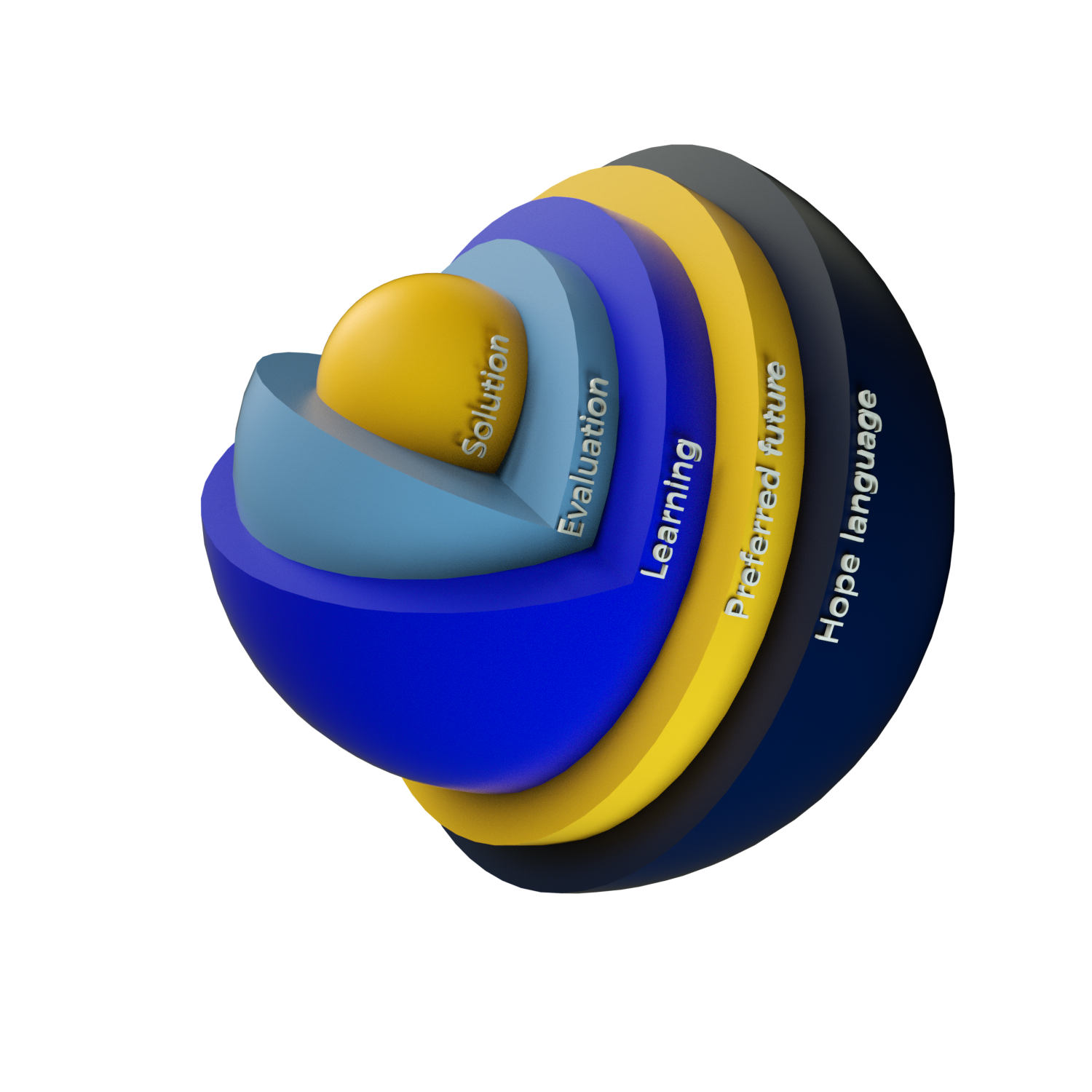
The Dynamic Mediation model emerged from years of practice alongside a sustained inquiry into a question that standard mediation frameworks had not fully answered: how does a mediator manage change? Disputant parties come into a mediation session in conflict, and the hope is they exit having some sort of an agreement. Somewhere in that process, there should be some form of change management — because without managing the change, how can anyone be sure of the outcomes?
That question led to a long exploration of Cybernetics, Systems Science, and change management theory as they apply to conflict and dispute resolution. The result was Dynamic Mediation (2022) — the theoretical and academic foundation of the model — and its companion volume, Dynamic Mediation at Work, the practitioner's guide for workplace dispute contexts.
Ali holds that the mediation field has been limited by the same reductionist thinking it was designed to overcome: defining itself through separate, competing styles rather than developing a genuinely holistic understanding of what mediation is and how change happens within it. The Dynamic Mediation model is an attempt to close that gap — to provide a framework that is theoretically grounded, practically useful, and honest about the complexity of what mediators are actually doing when they do their work well.
"This book is an attempt to reintroduce the notion of transformation into the realm of mediation — built upon cybernetics, conflict management, learning dynamics, and change management. The hope is, as researchers and practitioners add to this body of knowledge, the work will expand and evolve further." — Dynamic Mediation (2022)
Why this model was necessary.
The field of dispute resolution has a rich history of careful thinkers trying to define what mediation is and what makes it work. Facilitative mediation, evaluative mediation, transformative mediation, narrative mediation — each style reflects a genuine attempt to improve on what came before and to account for aspects of human experience that prior frameworks missed.
But the proliferation of competing styles has had an unintended consequence: it has moved the field's energy toward boundary-drawing and competition between models, rather than toward a deeper understanding of what mediation fundamentally is. When Transformative Mediation was introduced, the field did not ask: what does this contribution teach us about the nature of mediation? It asked: is this mediation at all?
The Dynamic Mediation model starts from a different question. Not "what style is best?" but "what is actually happening when a social system moves from conflict toward equilibrium — and what does the mediator need to understand to facilitate that movement?" The answers to that question reach across Cybernetics, Systems Thinking, change management, and learning theory, drawing on each not as an external add-on to mediation but as a natural extension of what good mediation has always been doing.
"To understand himself, man needs to be understood by another. To be understood by another, he needs to understand the other." — Thomas Hora (1959), quoted in Dynamic Mediation
This is the insight that drives the model. Sustainable resolution does not come from one party convincing the other. It comes from parties learning — about themselves, about each other, about what is possible — in a process designed to make that learning safe enough to happen. The mediator's work is to create those conditions, and then to trust that people are capable of more than their conflict currently allows them to see.
Contact
For enquiries about the books, speaking engagements, or the Dynamic Mediation model, please reach out directly.
Publisher
Quality Integrated Technologies and Systems, Inc.
Toronto, Ontario
Read the work.
Two books. One framework. Begin wherever you are.